Introduction
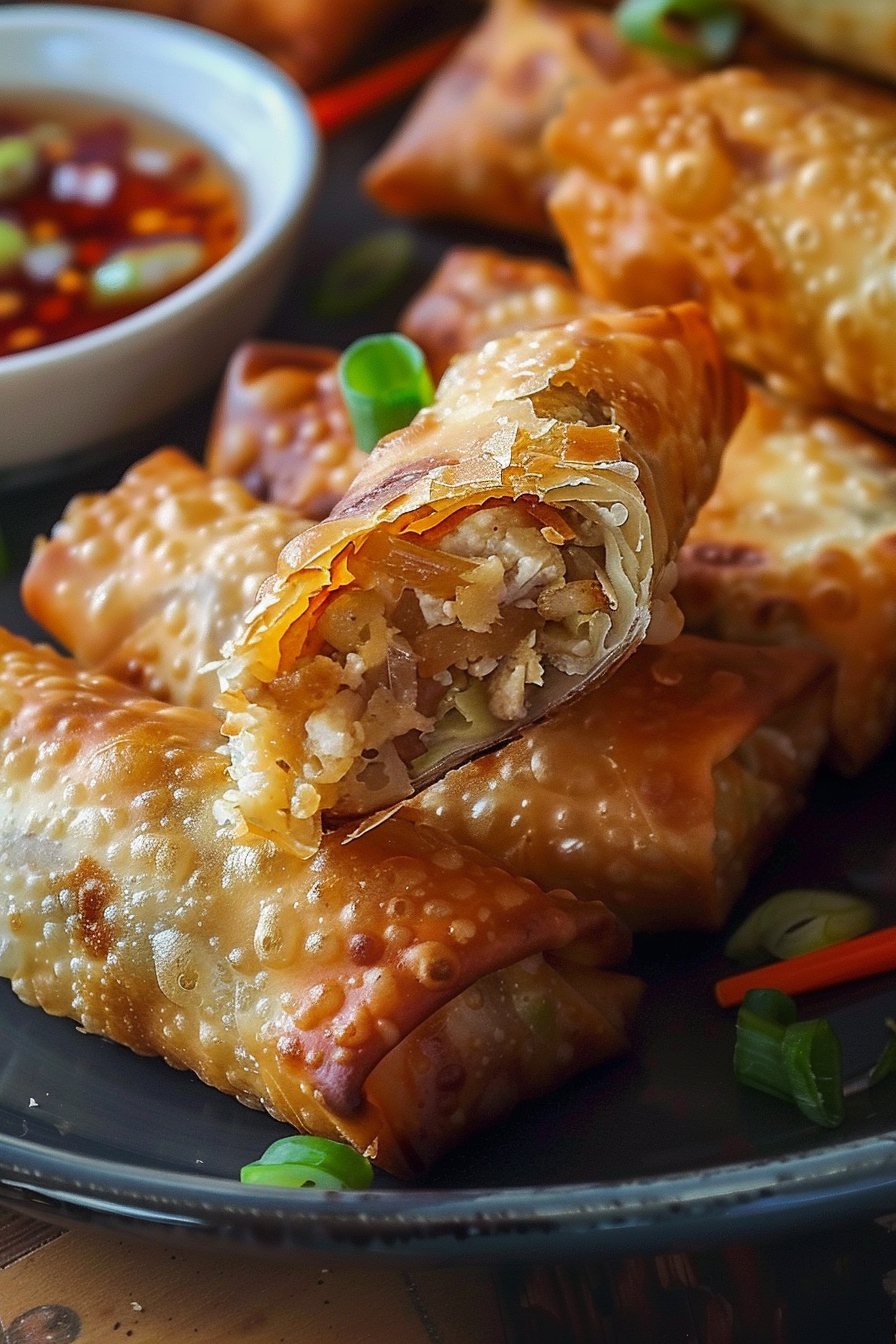
Egg rolls are a cherished addition to many cuisines, especially in Chinese-American households, where they are served as appetizers or enjoyed as a main dish. The crispy exterior filled with a delectable blend of meats and vegetables creates a perfect balance of textures and flavors. Making homemade egg rolls can be a delightful experience, enabling you to customize flavors according to your preferences.
Embracing the art of crafting these snacks at home not only elevates your cooking skills but also brings a sense of satisfaction. Each bite of a golden-brown roll reminds you of the joy found in sharing food with family and friends. With fresh ingredients and a bit of time, you can create egg rolls that rival any restaurant and impress your loved ones.
Ingredients
- 1 pound ground pork
Ground pork is often chosen for its juiciness and flavor, providing a hearty base that complements the vegetables. Its fat content helps keep the filling moist during cooking. - 2 cups shredded cabbage
Shredded cabbage adds crunch and volume to the filling, acting as a natural binder. It also absorbs flavors from the meat and spices, enhancing the overall taste of the egg rolls. - 1 carrot, julienned
Carrots introduce a hint of sweetness along with a vibrant color, making the egg roll visually appealing. Their crisp texture pairs well with the softness of the meat and cabbage. - 2 green onions, chopped
Green onions offer a mild, aromatic flavor that brightens up the filling. Their fresh taste adds a layer of complexity, encouraging a delightful balance between the rich meat and crunchy vegetables. - 2 cloves garlic, minced
Garlic provides a robust flavor foundation that enriches the filling. Its aroma wafts through the kitchen, creating anticipation for the finished product. - 1 teaspoon ginger, grated
Fresh ginger imparts a warm, spicy note which complements the savory meat and vegetables. It adds depth to the flavor profile, making the egg rolls unforgettable. - 1 tablespoon soy sauce
Soy sauce introduces umami, enhancing the filling’s overall richness. It also contributes to the color of the filling, giving it a savory brown hue. - 1 tablespoon sesame oil
Sesame oil adds a nutty aroma and flavor, enriching the filling and providing a hint of sophistication. Its distinct taste helps differentiate homemade egg rolls from store-bought versions. - 1 package egg roll wrappers (about 20)
Egg roll wrappers are essential as they provide the outer layer that crisps up during frying. They are specifically designed to hold up well under the high heat of cooking. - Vegetable oil, for frying
Vegetable oil is needed for frying, allowing the egg rolls to achieve a perfect golden brown texture. A neutral oil enables the flavors of the filling to shine while providing a satisfying crunch.
Directions & Preparation
Step 1: Prepare the filling by cooking the meat and vegetables in a skillet.
Start by heating a skillet over medium heat. Cook the ground pork until it’s no longer pink, breaking it apart with a spatula. This step is vital as it ensures the meat is fully cooked and safe to eat. Once the pork begins to brown, add minced garlic and grated ginger, stirring until fragrant. Incorporate shredded cabbage, carrot, and green onions, cooking until just tender. This combination of fresh ingredients will create a filling that is both flavor-rich and satisfying.
Step 2: Season the mixture and cool.
Stir in soy sauce and sesame oil, making sure all the ingredients are well-coated. This seasoning is crucial, as it enhances the overall taste and brings depth to the mix. Once combined, remove the skillet from heat and let the mixture cool for about 10 minutes. Cooling is important; if the filling is too hot, it can tear the wrappers when rolled.
Step 3: Assemble the egg rolls using wrappers.
Lay an egg roll wrapper on a clean surface with a corner facing you. Place two tablespoons of the cooled filling just above the center of the wrapper. This technique ensures a balanced distribution of the filling. Start by folding the corner closest to you over the filling, tucking it snugly. Roll up the wrapper while folding in the sides to seal the edges. This careful assembly holds the filling in place, ensuring that none escapes during frying.
Step 4: Seal the edges with water.
To secure the egg roll, dip your finger into water and moisten the edges of the wrapper before final rolling. This act of sealing is essential for keeping the filling contained during the frying process. A proper seal means no burst egg rolls, resulting in a cleaner presentation and more flavorful outcome.
Step 5: Heat oil in a deep pan and fry the egg rolls.
In a deep frying pan, add enough vegetable oil to submerge the egg rolls. Heat the oil to about 350°F (175°C), which is key for achieving that crispy exterior. Carefully place the egg rolls in the hot oil, frying them in small batches. Fry for about 3-4 minutes, until they are golden brown and evenly crisped. This step creates the desired texture and ensures each egg roll is cooked through.
Step 6: Remove and drain excess oil.
Once the egg rolls are golden, use a slotted spoon to remove them from the oil. Place them on paper towels to soak up any excess oil. This step is crucial in ensuring a light, non-greasy bite. Allowing the egg rolls to rest for a moment enhances their crunchiness and presents them attractively for serving.
Step 7: Serve hot with dipping sauce.
Serve your homemade egg rolls immediately for the best flavor and texture. Pair them with a sweet and sour sauce, soy sauce, or a spicy dipping sauce to elevate the experience. This final touch is not just for flavor; it also adds an element of personalization to each diner’s taste preferences.

Variations to Explore
While the classic filling wins hearts, don’t hesitate to experiment with different proteins or veggies. Ground chicken or shrimp can create a lighter option, while tofu serves as a wonderful vegetarian substitute. You can also mix in ingredients such as mushrooms or bell peppers to add more flavor and texture. These variations allow for creativity, making each batch of egg rolls unique.
Perfecting the Crispy Wrapper
Achieving that delightful crunch is all about temperature and timing during frying. Ensure the oil is hot enough before adding the egg rolls, as low temperatures can lead to soggy wrappers. Frying in batches helps maintain the oil temperature, resulting in evenly cooked and crispy egg rolls. It’s vital to monitor the frying process closely to avoid burning while ensuring perfect doneness.
Pairing Suggestions for a Full Meal
Egg rolls can effortlessly transform into a complete meal with the right accompaniments. Serve them alongside a light salad or a bowl of hot and sour soup to round out the flavors. Rice, particularly fried rice, makes for a hearty pairing, complementing the crispy texture with a satisfying chew. These combinations not only balance the meal but also offer a delightful culinary experience.
FAQs
What can I do if my filling is too dry?
If your filling turns out dry, consider adding a splash more soy sauce or a bit of broth while cooking. This will help introduce moisture without making it too wet.
My egg roll wrappers keep tearing; what am I doing wrong?
Tearing can occur if the wrappers are too dry. Ensure you’re working with fresh wrappers and keep them covered with a damp cloth while assembling to maintain moisture.
Can I use different vegetables in my egg rolls?
Definitely! Feel free to experiment with vegetables like bell peppers, bean sprouts, or zucchini. Just be sure to chop them finely and sauté them before adding to the filling.
How can I adjust the spiciness of my egg rolls?
For spicier egg rolls, add chili paste or finely chopped fresh peppers to the filling. Adjust the amount to your preferred heat level for a customized kick.
What if I overcooked my egg rolls?
If your egg rolls are overcooked, they may become hard. Monitor the frying time closely and test one before removing the batch to get the timing just right.
Can I use pre-made filling for a quicker preparation?
Using pre-made filling can certainly speed up the process. Just ensure it is fully cooked and well-seasoned to achieve the best results.
Conclusion
Homemade egg rolls can easily become a staple in your cooking repertoire. With the right balance of flavors and ingredients, they offer endless possibilities for customization and delightful dining experiences. Whether enjoyed as an appetizer or main dish, they bring together loved ones around the table.
By mastering the technique of creating these rolls, you not only enhance your culinary skills but also create memorable moments through shared meals. So, gather your ingredients, invite friends over, and enjoy the satisfaction of crafting these irresistible treats.
Recipe Card
Crafting Flavorful Homemade Egg Rolls for Every Occasion
Ingredients
- 1 pound ground pork
- 2 cups shredded cabbage
- 1 carrot julienned
- 2 green onions chopped
- 2 cloves garlic minced
- 1 teaspoon ginger grated
- 1 tablespoon soy sauce
- 1 tablespoon sesame oil
- 1 package egg roll wrappers about 20
- Vegetable oil for frying
Instructions
- Prepare the filling by cooking the meat and vegetables in a skillet.
- Season the mixture and cool.
- Assemble the egg rolls using wrappers.
- Seal the edges with water.
- Heat oil in a deep pan and fry the egg rolls.
- Remove and drain excess oil.
- Serve hot with dipping sauce.
Notes
Additional serving suggestions: pair with a crisp salad, garlic bread, or roasted seasonal vegetables for balance.
For make-ahead, prep components separately and assemble just before heating to preserve texture.
Taste and adjust with acid (lemon/vinegar) and salt right at the end to wake up flavors.