Introduction
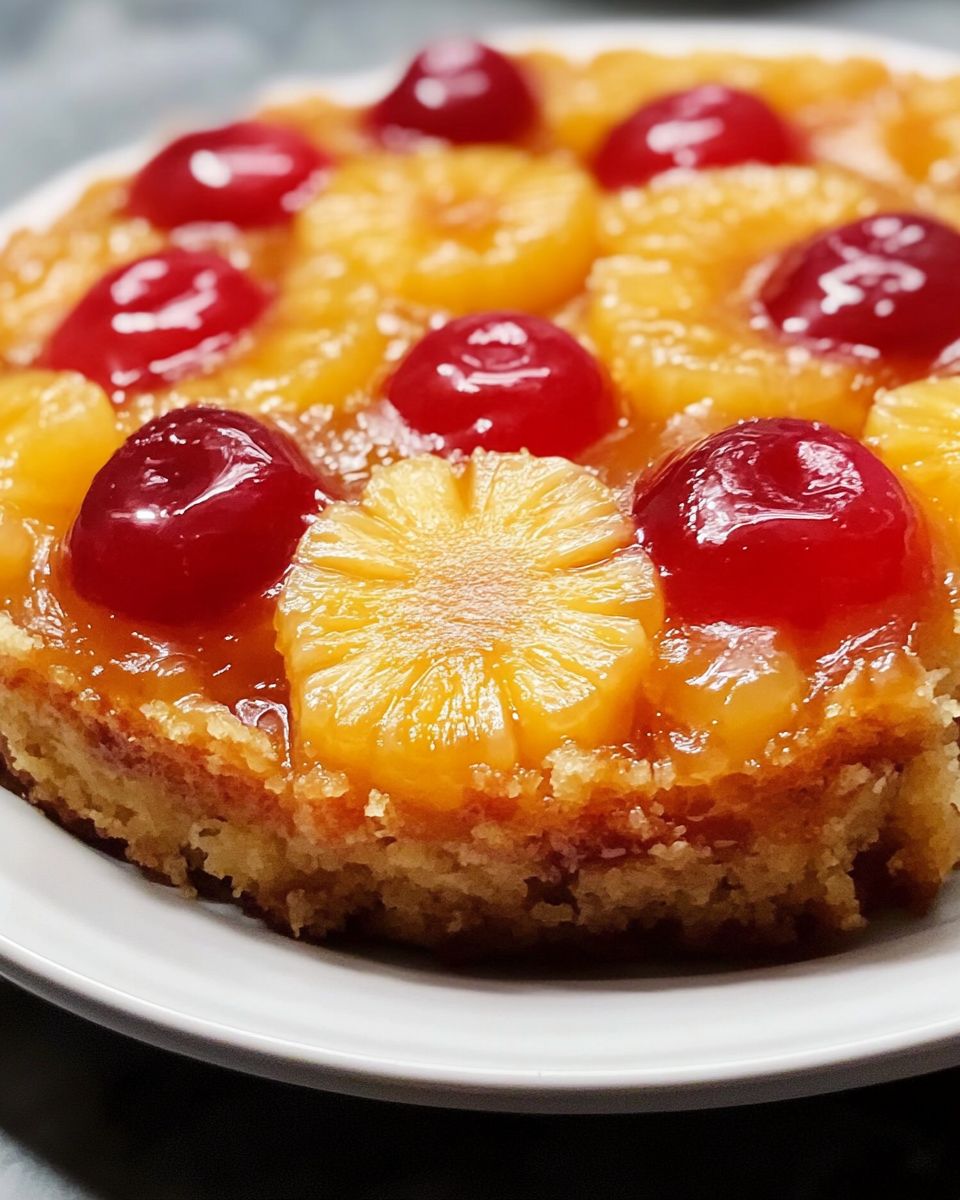
Pineapple upside down cake is not just a dessert; it’s a nostalgic journey through flavor and texture. The striking presentation, with its caramelized pineapple rings, is as pleasing to the eye as it is to the palate. This cake transforms a simple mix of ingredients into a tropical delight.
The unique method of placing the pineapple on top of the batter makes for a striking visual, reversing an everyday cake into a masterpiece. The marriage of sweet, juicy pineapple with buttery cake creates an unforgettable experience that brings smiles and warmth.
This recipe offers a straightforward yet rewarding approach, perfect for both novice and seasoned bakers. With just a handful of ingredients and a little patience, you’ll craft a cake that delights everyone at the table.
Ingredients
- 1/2 cup unsalted butter
Butter adds richness and moisture to the cake, creating a tender crumb. It also aids in the caramelization process when melted, developing a beautifully golden topping. - 1 cup brown sugar
Brown sugar contributes a deep, molasses-like sweetness and moisture to the batter. It caramelizes during baking, enhancing the overall flavor and creating that signature sticky topping. - 1 can (20 oz) sliced pineapple
The pineapple provides the iconic taste and visual appeal of this cake. Its natural sugars caramelize beautifully, adding both flavor and moisture. - Maraschino cherries (optional)
These cherries not only enhance the presentation with their vibrant color but also add a pop of sweetness that complements the tang of the pineapple. - 1 1/2 cups all-purpose flour
Flour is the backbone of the cake structure, giving it the necessary framework to rise and maintain its shape. It combines with the other ingredients to provide the desired texture. - 1 tsp baking powder
This leavening agent helps the cake to rise, creating a light and fluffy texture. It’s crucial for achieving the right balance in the density of the cake. - 1/2 tsp salt
Salt enhances the flavors of the cake, balancing the sweetness and bringing out the richness of the other ingredients. It plays a subtle but vital role in flavor development. - 1 cup granulated sugar
Granulated sugar adds sweetness to the cake batter, aiding in browning and moisture retention. Its texture contributes to the overall lightness of the cake. - 2 large eggs
Eggs provide structure and stability to the cake while adding moisture. They also contribute to the leavening process, helping the cake rise perfectly. - 1 tsp vanilla extract
Vanilla extract enhances the overall flavor of the cake, imparting a warm and aromatic quality that rounds out the sweetness with its rich notes. - 1/2 cup milk
Milk adds moisture to the batter, ensuring a soft, tender cake. It also helps to dissolve the dry ingredients, creating a smooth and homogenous batter.
Directions & Preparation
Step 1: Preheat the oven to 350°F (175°C).
Preheating the oven is essential for ensuring that the cake begins baking at the right temperature. If you add the batter to a cold oven, the cake may not rise correctly, leading to uneven baking.
Step 2: Melt the butter and brown sugar together in a saucepan over medium heat.
This warming process allows the sugars to dissolve in the melted butter, creating a smooth caramel base. It’s crucial for achieving that delightful topping that caramelizes during the baking process.
Step 3: Pour the butter and brown sugar mixture into a 9-inch round cake pan.
Evenly distributing the caramel mixture in the pan ensures that every slice receives a flavorful, sticky topping. It also prevents the cake from sticking to the pan once baked.
Step 4: Arrange the pineapple slices and cherries on top of the caramel.
This step is vital for presentation and flavor balance. The pineapple will release juices while baking, infusing the cake with flavor while adding that iconic visual aesthetic.
Step 5: In a mixing bowl, combine the flour, baking powder, and salt.
Mixing the dry ingredients separately helps to ensure even distribution of the leavening agent and salt throughout the cake batter, leading to consistent results and texture.
Step 6: In another bowl, cream the granulated sugar and remaining butter until light and fluffy.
Creaming the butter and sugar incorporates air into the mixture, which helps the cake rise evenly while creating a soft crumb. This step enhances the overall texture.
Step 7: Add eggs one at a time, mixing well after each addition.
Incorporating the eggs gradually allows for proper emulsification, ensuring the mixture binds well and contributes to a light and airy cake texture.
Step 8: Stir in the vanilla extract and milk until just combined.
It’s important not to overmix at this stage; you want the batter to be just mixed. Overworking the batter can lead to a denser cake, which is not the desired result.
Step 9: Gradually add the dry mixture to the wet ingredients, mixing until just incorporated.
This step requires a gentle hand to maintain the airiness that was developed in the creaming stage. Overmixing can develop gluten and yield a tougher cake.
Step 10: Pour the batter over the pineapple and caramel layer in the cake pan.
Pouring the batter directly onto the caramel layer helps create a successful flip after baking. It ensures the cake rises evenly and covers all the fruits beautifully.
Step 11: Bake for 40-45 minutes, or until a toothpick comes out clean.
Baking the cake until it’s fully set is crucial for texture. A toothpick inserted in the center should come out clean, indicating the cake is cooked through without being overbaked.
Step 12: Let the cake cool for 10 minutes before inverting onto a serving plate.
Cooling slightly allows the caramel to set a bit, making it easier to flip without damaging the cake. This step ensures a beautiful presentation with minimal mess.
Step 13: Serve warm or at room temperature.
While the cake can be served warm, letting it cool allows the flavors to develop even further. The contrast of warm toppings over a soft cake provides a delightful experience.

Choosing the Right Pineapple
When selecting pineapple for your upside down cake, opt for fresh, ripe varieties when available. Fresh pineapple delivers a vibrant flavor and pleasing texture, but canned options work well too. Just be sure to drain them of excess syrup, as added liquid can affect the batter’s consistency.
Caramelization Techniques
Caramelization is key to achieving the delicious topping that defines pineapple upside down cake. As the cake bakes, the heat transforms the sugars in brown sugar and pineapple into a rich, golden syrup. Avoiding overcooking during this process keeps the flavor balanced without turning bitter.
Serving Suggestions
This cake pairs wonderfully with a scoop of vanilla ice cream or dollop of whipped cream for a delightful contrast in temperature and texture. Additionally, a sprinkle of toasted coconut or chopped nuts can elevate its flavor profile, adding a crispy texture.
FAQs
Why did my cake turn out soggy?
A soggy cake could be due to excess moisture from the pineapple. Always drain canned pineapple well and avoid adding unnecessary liquids to the batter.
Can I use fresh rather than canned pineapple?
Absolutely! Fresh pineapple is recommended for its superior flavor. Just make sure to slice it evenly to ensure even cooking.
What if the batter is too thick?
If your batter is too thick, gradually add a bit of milk until you reach a pourable consistency. This ensures even baking and helps maintain a soft texture.
How can I adjust the sweetness of the cake?
You can reduce the amount of granulated sugar slightly if you prefer a less sweet cake. Keep in mind this may alter the caramelization process.
Can I make this recipe in a different pan size?
Yes, you can scale the recipe up or down; just adjust the baking time accordingly. A larger pan may require less baking time, while a smaller one may take longer.
What causes the cake to stick to the pan?
If the cake sticks, it could be due to insufficient greasing or the caramel hardening too much. Always grease your pan well and consider using parchment paper.
Conclusion
Creating a pineapple upside down cake is not only rewarding but also a wonderful way to impress family and friends. With its blend of tropical flavors and charming presentation, it’s sure to become a beloved recipe in your collection.
Remember, the charm of this cake lies in its simplicity. As you explore variations and serving options, let your creativity flourish while embracing this timeless classic.
Recipe Card
Pineapple Upside Down Cake: A Classic Dessert Delight
Ingredients
- 1/2 cup unsalted butter
- 1 cup brown sugar
- 1 can 20 oz sliced pineapple
- Maraschino cherries optional
- 1 1/2 cups all-purpose flour
- 1 tsp baking powder
- 1/2 tsp salt
- 1 cup granulated sugar
- 2 large eggs
- 1 tsp vanilla extract
- 1/2 cup milk
Instructions
- Preheat the oven to 350°F (175°C).
- Melt the butter and brown sugar together in a saucepan over medium heat.
- Pour the butter and brown sugar mixture into a 9-inch round cake pan.
- Arrange the pineapple slices and cherries on top of the caramel.
- In a mixing bowl, combine the flour, baking powder, and salt.
- In another bowl, cream the granulated sugar and remaining butter until light and fluffy.
- Add eggs one at a time, mixing well after each addition.
- Stir in the vanilla extract and milk until just combined.
- Gradually add the dry mixture to the wet ingredients, mixing until just incorporated.
- Pour the batter over the pineapple and caramel layer in the cake pan.
- Bake for 40-45 minutes, or until a toothpick comes out clean.
- Let the cake cool for 10 minutes before inverting onto a serving plate.
- Serve warm or at room temperature.
Notes
Additional serving suggestions: pair with a crisp salad, garlic bread, or roasted seasonal vegetables for balance.
For make-ahead, prep components separately and assemble just before heating to preserve texture.
Taste and adjust with acid (lemon/vinegar) and salt right at the end to wake up flavors.